
The role of Website Layout and Design in enhancing accessibility of information to the user.
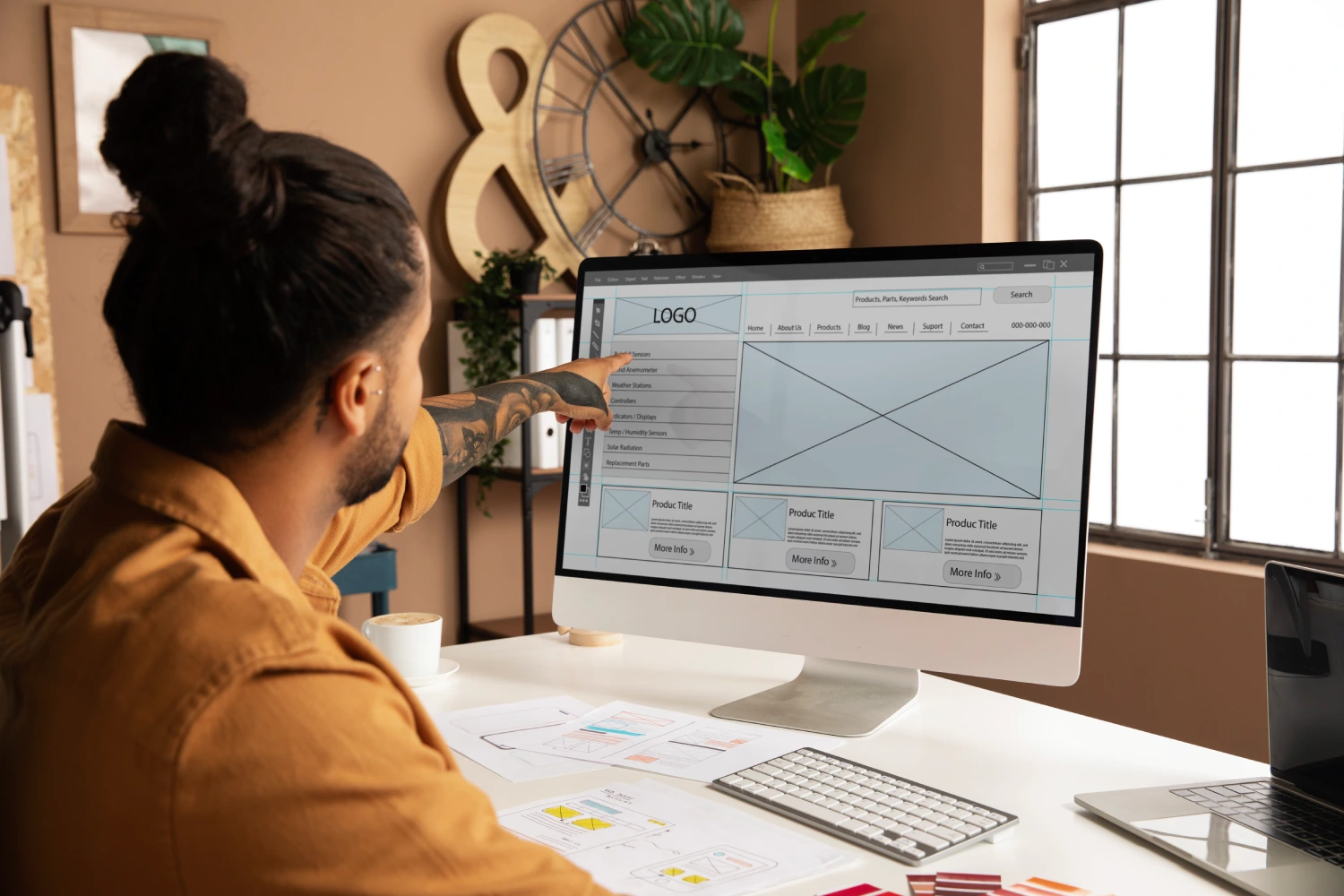
Website layout and design has a significant role in enabling the users to access information with ease. Layout is the way the information is organized on a webpage whereas design is the visual representation and organization. Users find it easy to read, understand and navigate content because of well-organized layout and clear design. Correct layout and design enhance usability and the general functionality of the websites.
3PL Montreal provides reliable warehousing, fulfillment, and logistics solutions for businesses.
Babysitters Montreal offers trusted and experienced caregivers for families looking for reliable babysitting Montreal services. Our professional babysitters provide safe, caring, and flexible childcare support for your children.
Website layout has one of the primary goals, which is to sort information out properly. Websites have various content and layout assists to organize the content into sections. The structured segments enable the users to fast track information. When content is put in right places, the user can find whatever he/she needs easily. Bright layout increases accessibility and reading.
Website layout includes headings. Headings assist in partitioning content into small parts. The sections enable the users to perceive information bit by bit. Headings are also useful in the rapid scanning of contents. The suitable headings enhance content organization and understanding by the user.
Another layout aspect that is significant is spacing. Due spacing of the text and sections enhances readability. Users are able to read comfortably when the spacing between the content is correct. Low density eliminates confusion and increases clarity. Spacing is good and facilitates access to information.
Web site design also aids in enhancement of the navigation. Design consists of visual items like menus, buttons and links. These are components that assist users to navigate through various areas. The navigation is easy due to clear visual elements. The accessibility and usability are also enhanced by design.
Consistency is another significant factor of layout and design. Regular layout assists the user in knowing how the web site works. Users will be able to navigate when pages are arranged in the same manner. Constant increases usability and confidence in the user. Regular design helps in efficient access.
Website layout is also better in terms of accessibility on various devices. The modern websites are capable of functioning in smartphones, tabular devices, and computers. Adaptable designs are adaptable to various screen size. This will mean that the user is able to access the content on any device. Accessibility is enhanced by compatibility of devices.
The visual clarity is also assisted by design. Readability is enhanced with clear fonts, legible text and appropriate contrast of colors. The visualness of information makes it easier to interpret the information by users. Proper design facilitates user experience.
Website structure also aids in putting together the navigation aspects. Menus and links are located at strategic spots. This assists users to find key areas within a short period of time. Efficiency of navigation is enhanced.
User interaction is also enhanced by layout and design. The user is able to engage the content through clicking links, buttons, or menus. Definite outline facilitates easy interaction. Communication enhances user-friendliness and accessibility.
Finally, web design and web structure are critical towards enhancing access of information by the users. Layout is the way the content is organized and design is the way to achieve better readability and navigation. Layout and design combined facilitate the ease of access and interaction of users with websites. The knowledge of layout and design enables users to navigate through websites with a lot of confidence and efficiency.